
The Role of Luck in Gambling
Luck plays a critical role in gambling, serving as a defining factor in many players’ experiences. It is the unpredictable element that can lead to unexpected wins or devastating losses. Unlike skill-based games where strategic thinking can improve outcomes, games of chance, such as those found at an online casino australia , rely heavily on randomness. Every spin of a wheel or flip of a card is influenced by chance, often making it feel as though fortune is the sole driver of success.
For instance, in a game of slots, players pull the lever or push the button, but what comes next is purely up to luck. The odds are predefined, and while understanding these odds can aid in making informed choices, they cannot alter the element of chance inherent in the game. Thus, players often find themselves at the mercy of luck, hoping for a series of fortunate spins to occur, which highlights its significance in gambling success.
Moreover, the psychological aspect of luck can further complicate a player’s perception of their success. Gamblers often remember their lucky wins more vividly than their losses, creating an illusion that luck is a more significant factor than it might statistically be. This cognitive bias can lead to patterns of behavior, such as chasing losses or believing in ‘lucky streaks,’ ultimately influencing their gambling strategies and decisions.
The Intersection of Skill and Luck
While luck is undeniably an inherent part of gambling, it often intersects with skill, creating a fascinating dynamic in various games. In poker, for example, players must combine their knowledge of the game with their understanding of probabilities and psychology. Here, luck can dictate which cards are dealt, but it is the players’ ability to leverage that luck through strategy that often determines the ultimate victor.
This intersection becomes particularly evident in games that require a mix of skill, strategy, and luck. Players who can assess risk, read opponents, and make calculated decisions often find more consistent success over time. For instance, a skilled blackjack player can minimize the house edge by employing strategic techniques such as card counting, even though the randomness of the cards also plays a significant role in the outcome.
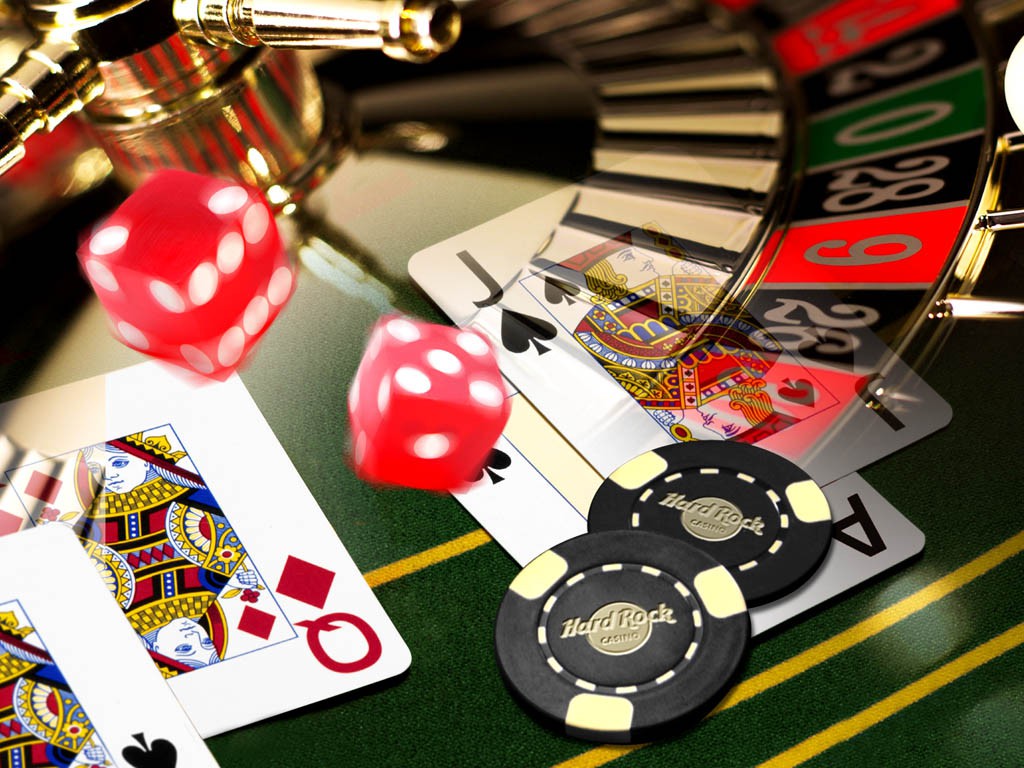
However, it is essential to recognize that not all games present an equal mix of skill and luck. While some games are predominantly chance-based, others rely significantly on player expertise. This variance means that gamblers need to understand the mechanics of each game to navigate the complexities of luck and skill effectively and optimize their chances of success.
The Impact of Superstitions and Beliefs
Superstitions and personal beliefs about luck can influence a gambler’s behavior significantly. Many players develop rituals, habits, or lucky charms that they believe will enhance their luck while gambling. For instance, some might wear specific clothing or hold onto tokens they regard as lucky, hoping these practices will swing luck in their favor. Such behaviors are deeply rooted in psychology and can affect a player’s mindset and performance.
These beliefs around luck can also be seen in the phenomenon of ‘hot’ and ‘cold’ machines or tables, where players feel certain venues or games are more favorable. This belief can lead to emotional attachment to particular slots or roulette tables, with players returning to these ‘lucky’ spots time and again. While these sentiments provide entertainment and enhance the gambling experience, they often lack any real bearing on actual outcomes.
Furthermore, the way players cope with losses can also be shaped by their beliefs about luck. Some may attribute their losses to bad luck, while others may feel that their strategies are at fault. These interpretations can impact their future gambling decisions, with some choosing to gamble more aggressively in search of redemption, while others may step back to reassess their approach. Ultimately, the interplay of luck and personal beliefs can significantly influence both the emotional and financial dynamics of gambling.
The Unpredictability of Gambling Outcomes
The unpredictable nature of gambling outcomes underscores the dominance of luck in determining success. Unlike traditional investments where careful analysis and research can yield predictable outcomes, gambling is different and often characterized by volatility. This unpredictable element is a double-edged sword that attracts many players who crave excitement and the thrill of uncertainty, while also leading to significant risks and losses.

In many games, the odds are carefully calculated, but the outcomes remain uncertain until the very last moment. For example, in roulette, the ball could land on any number, and despite understanding the odds, a player cannot guarantee a win. This unpredictability adds to the allure of gambling, as players are enticed by the potential for sudden wealth, but it also emphasizes the importance of understanding the risks involved.
Therefore, the unpredictable outcomes can lead to a wide range of emotions for gamblers, from exhilaration following a win to frustration and despair after a loss. This rollercoaster of experiences can influence a player’s future decisions and strategies. Recognizing that luck plays a substantial role in these outcomes can help players manage their expectations and approach gambling with a more balanced mindset.
Understanding Gambling Responsibly
Understanding the role of luck in gambling is vital for fostering responsible gambling habits. Awareness of how luck influences outcomes can help gamblers set realistic expectations regarding their chances of winning. It promotes a more analytical approach to gambling, encouraging players to recognize when luck may not be on their side and avoid extending their play in the hope of a reversal.
Moreover, responsible gambling involves recognizing the signs of problem gambling, which can often be exacerbated by misconceptions about luck. Gamblers who equate luck with inevitable wins may find themselves in a cycle of chasing losses, which can lead to financial and emotional distress. Education about the odds and the inherent risks of gambling can mitigate such issues, fostering a healthier relationship with the activity.
Ultimately, understanding the interplay between luck and strategy is crucial for anyone interested in gambling. Engaging in responsible gambling practices, such as setting limits and knowing when to walk away, can ensure that the experience remains enjoyable rather than detrimental. By promoting this understanding, players can navigate their gambling journeys more effectively and responsibly.