
The unseen mind exploring the psychological effects of gambling
The allure of gambling
The world of gambling presents an irresistible allure for many individuals. The thrill of winning, the excitement of high stakes, and the social aspects can create a captivating environment that draws people in. These factors play a significant role in the psychological attraction to gambling. The rush associated with games of chance can release dopamine, a neurotransmitter linked to pleasure and reward, making players crave the experience even more. In this dynamic landscape, players can discover new casinos 2026 that offer fresh opportunities for excitement.
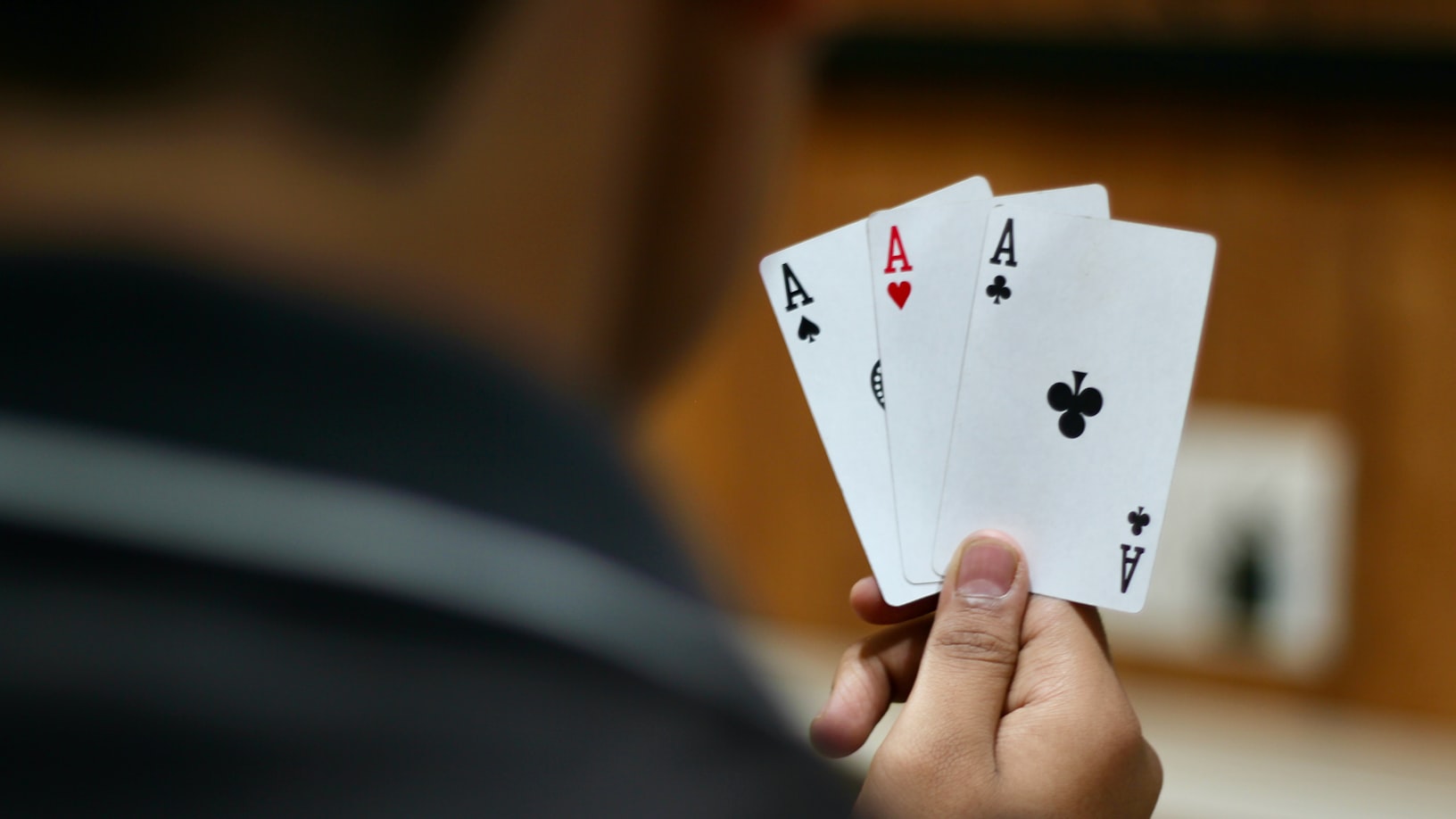
This craving often leads to a cycle where individuals continue to gamble despite negative consequences. The immediate gratification provided by a win can overshadow the long-term effects on mental health, finances, and relationships. This phenomenon highlights the complexities of the human psyche and the powerful hold gambling can have on a person.
The psychological effects of gambling extend far beyond the casino floor or the online gaming screen. For many, the activity can lead to a range of emotional states, from euphoria during a win to despair following a loss. These fluctuations can contribute to anxiety and stress, creating a precarious balance in the mental state of a gambler. The inability to manage these emotions can further exacerbate gambling behavior, leading to addiction.
Moreover, the constant anticipation of winning can result in obsessive thoughts about gambling. This fixation not only affects the gambler but also impacts their relationships with family and friends, creating feelings of isolation and guilt. The psychological toll of gambling can be profound, necessitating a deeper understanding of how it affects mental health.
Leave a Reply