
The historical evolution of gambling a journey through time and culture
Ancient Beginnings of Gambling
The origins of gambling can be traced back to ancient civilizations, where it was deeply intertwined with religious practices and societal norms. Archaeological findings indicate that as early as 3000 BCE, the Chinese were using rudimentary forms of gambling, including dice made from animal bones. Similarly, the Mesopotamians engaged in games of chance, often linked to their beliefs in fate and divine intervention. This early form of gambling was not merely for entertainment but also served as a method for communities to seek favor from deities. Today, many players enjoy options that allow them to explore the best crypto casino no kyc for an exciting experience.

In ancient Rome, gambling became an integral aspect of social life, with citizens participating in various games, including dice and betting on gladiatorial contests. The Roman Empire’s vast reach facilitated the spread of these games, which evolved in complexity and stakes. The Romans viewed gambling as a test of luck and skill, reflecting their broader cultural affinity for competition. As gambling practices became more organized, laws began to emerge, regulating the activities and establishing boundaries to protect citizens from fraud and manipulation.
Meanwhile, in ancient India, games such as Chaturanga, the precursor to chess, showcased the intersection of strategy and chance, further indicating the multifaceted nature of gambling in early societies. These activities not only provided a sense of thrill but also fostered social interaction. The cultural significance of gambling in these civilizations laid the foundation for its enduring appeal, demonstrating humanity’s age-old fascination with risk and reward.
The Middle Ages and Gambling in Europe
The Middle Ages marked a significant evolution in gambling, particularly in Europe, where the Church often opposed games of chance, labeling them as sinful. Despite this, gambling thrived in clandestine venues. As trade routes expanded, so did the influence of various gambling practices. Card games, which had likely originated in Asia, gained popularity among the European elite and became a staple of social gatherings in courts.
During this period, the advent of the printing press enabled the mass production of playing cards, making them accessible to a broader audience. Gambling houses began to emerge in cities, catering to a growing appetite for wagering. Notably, the establishment of the first official lottery in the 15th century in Bruges, Belgium, highlights the integration of government and gambling, providing funding for public projects while allowing citizens to participate in games of chance.
Despite religious constraints, the gambling culture during the Middle Ages showcased resilience and adaptability. Literature from the time, such as Geoffrey Chaucer’s “The Canterbury Tales,” featured characters who indulged in betting, reflecting societal attitudes towards gambling. This period laid the groundwork for modern gambling establishments, showcasing an evolving landscape where games of chance began to gain legitimacy and acceptance.
The Rise of Casinos and Structured Gambling
The 17th century heralded the rise of dedicated gambling establishments, with the establishment of the first official casino, the Ridotto, in Venice, Italy. This venue allowed patrons to gamble in a controlled environment, emphasizing both entertainment and social interaction. The concept of casinos soon spread throughout Europe, leading to the establishment of numerous venues where people could enjoy games such as roulette, baccarat, and blackjack.
The emergence of casinos marked a pivotal moment in the history of gambling, as these establishments became synonymous with luxury and leisure. The architecture of casinos reflected opulence, often designed to attract wealthy patrons. The allure of high-stakes gaming drew individuals from various backgrounds, creating a social melting pot. This shift signaled a transformation from informal gaming to structured gambling, regulated by house rules and odds.
As gambling continued to evolve, so did the laws surrounding it. Governments began to recognize the economic potential of casinos, leading to the regulation of these establishments. This not only ensured fair play but also provided a source of revenue for local economies. The 19th century saw the formalization of rules and regulations, establishing the framework for modern gambling practices that would later spread globally, paving the way for contemporary casinos.
The 20th Century and the Legalization of Gambling
The 20th century marked a turning point for gambling, particularly in the United States, where the Prohibition era led to the rise of underground gambling operations. The public’s thirst for entertainment and the subsequent need for government revenue spurred a wave of legalization. Nevada, in particular, became synonymous with gambling, legalizing casino operations in 1931 and setting the stage for Las Vegas to emerge as the gambling capital of the world.
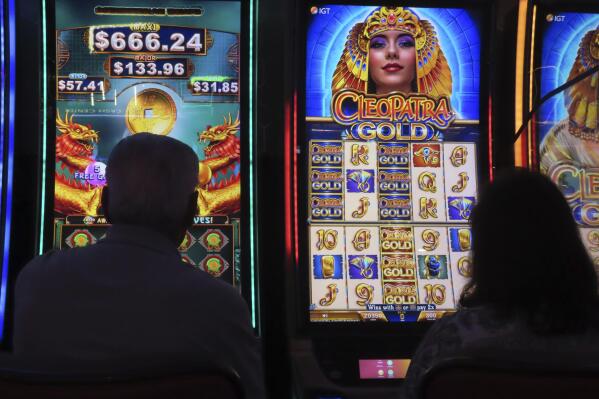
This era saw the introduction of iconic games and gambling formats, including the slot machine, which revolutionized the industry. The allure of Las Vegas, with its extravagant shows and lavish casinos, attracted millions of visitors, solidifying gambling as a mainstream form of entertainment. The growth of television and advertising further popularized gambling, bringing it into homes and cultivating a culture of betting.
As various forms of gambling were legalized across the United States and beyond, societal attitudes began to shift. The emergence of gambling as a legitimate recreational activity led to the development of regulatory bodies ensuring fair play and responsible gambling practices. The late 20th century also witnessed the rise of lotteries as a state-run revenue source, further embedding gambling into the fabric of society and offering a diverse range of gaming options.
The Digital Age and the Future of Gambling
The advent of the internet in the late 20th century revolutionized the gambling landscape, paving the way for online casinos and betting platforms. This digital transformation allowed players to engage in gambling activities from the comfort of their homes, leading to an exponential growth in participation. The rise of online gambling expanded the reach of casinos beyond physical locations, enabling operators to cater to a global audience.
With the introduction of cryptocurrencies and blockchain technology, a new wave of gambling emerged, marked by decentralized platforms that offer anonymity and security. This evolution has attracted a younger demographic, eager for innovative gaming experiences that traditional casinos may not provide. No KYC (Know Your Customer) casinos have gained traction, allowing users to participate without extensive identity verification, aligning with contemporary demands for privacy and convenience.
As technology continues to evolve, the gambling industry is poised for further transformation. Virtual reality (VR) casinos and enhanced gaming experiences are on the horizon, promising to immerse players in interactive environments. The future of gambling seems bright, with advancements that blend technology, culture, and entertainment to create unprecedented opportunities for players around the globe.
Your Gateway to a Unique Gambling Experience
As gambling continues to evolve through various cultural lenses and technological advancements, our website serves as your ultimate guide. We provide comprehensive insights into the latest trends in online gaming, including the rise of no KYC crypto casinos, tailored for players seeking a seamless and secure experience. Our rankings and reviews of top platforms ensure that you can make informed choices, maximizing your enjoyment and potential winnings.
We are dedicated to curating a selection of the finest online casinos, highlighting enticing bonuses, extensive game libraries, and fast withdrawal processes. Our mission is to connect players with platforms that prioritize security and anonymity, allowing for hassle-free gaming. As the gambling landscape shifts towards digital realms, we remain committed to bringing you the best available options in the ever-changing world of online gambling.
Leave a Reply